2025 China Brand Fair in Budapest
2025-07-17
The 2025 China Brand Fair (Central and Eastern Europe), held in Budapest, Hungary from June 26, stands as one of the most influential overseas exhibition platforms for Chinese branded commodities in the Central and Eastern European (CEE) region. Hosted by the Trade Development Bureau of China’s Ministry of Commerce and organized by the Central European Trade and Logistics Cooperation Zone, this three‑day event marked the seventh edition of the fair since its launch in 2015, consolidating its reputation as a stable channel for bilateral trade matching, brand presentation and industrial dialogue between China and CEE countries.
Covering an exhibition area of 10,000 square meters, the 2025 edition gathered 270 enterprises originating from 17 Chinese provinces and municipalities, the largest number of participating provincial regions across all previous sessions. Exhibitors came from Shandong, Liaoning, Jiangxi, Tianjin, Zhejiang and other major industrial and export hubs, presenting a diversified portfolio of high‑quality branded products. The displayed categories included electromechanical equipment, new energy components, construction materials, fitness facilities, textile and light industrial goods, daily consumer products, agricultural and food commodities. Notably, many exhibits reflected China’s advancing new‑quality productive forces, such as low‑carbon electric mobility solutions, intelligent charging equipment and energy‑saving hardware that comply with EU safety and certification standards, directly tailored to the regulatory and consumption demands of European markets.
The fair was positioned at a geographically strategic node. Hungary serves as a natural logistics hub connecting Western Europe and the Balkan area, with mature China‑Europe Railway Express routes and cross‑border warehousing networks. This advantage allows Chinese brands exhibited in Budapest to reach buyers across Hungary, Serbia, Romania, Slovakia, Slovenia, Bosnia and Herzegovina and other CEE nations efficiently. Organizers expected more than 7,000 professional buyers, distributors, retailers and industrial contractors from these countries to attend on‑site negotiations, forming a concentrated procurement cluster for bulk orders, distribution agency cooperation and long‑term supply partnership development.
A series of high‑level speeches and themed business matchmaking sessions enriched the agenda of the opening ceremony. János Latorcai, Deputy Speaker of the Hungarian National Assembly, emphasized that China ranks as Hungary’s most important non‑European trading partner and a leading source of foreign direct investment. He stressed that cooperation potential remains vast in technological innovation, sustainable energy, infrastructure, manufacturing upgrading and vocational education, and the fair offers Hungarian firms an accessible window to understand Chinese corporate culture, product standards and market rules. Chen Yiwei, Minister Counselor of the Chinese Embassy in Hungary, noted that the Belt and Road Initiative and Hungary’s “Opening to the East” strategy have achieved deep alignment. Bilateral trade volume hit a record high of 16.205 billion US dollars in 2024, with a year‑on‑year growth rate of 11.6 %, and the fair was expected to inject fresh momentum into further pragmatic cooperation. Deng Bo, Deputy Director of the Trade Development Bureau, encouraged exhibitors to fully leverage cross‑border logistics channels and pursue balanced two‑way trade, meaning Chinese exporters also help introduce competitive Hungarian products back to the Chinese consumer market.
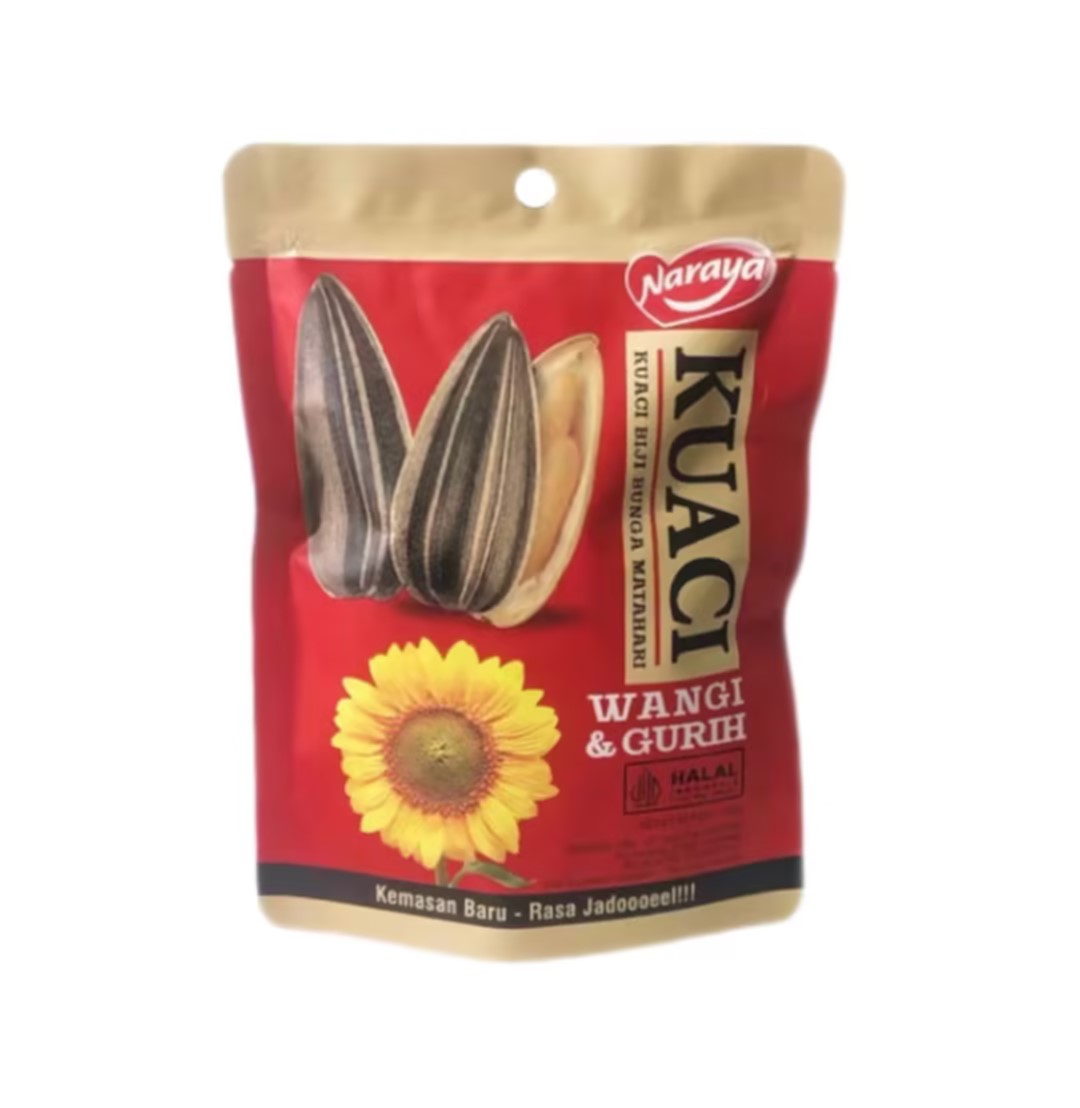
Beyond transaction matching, the fair carries profound brand communication value. In past years, Chinese export goods were often stereotyped as low‑cost original equipment manufacturing products. Today, exhibitors prioritize displaying proprietary brands, independent intellectual property and green production concepts rather than only focusing on price competitiveness. Food brands, for instance, brought roasted seeds, nuts and other packaged snacks with standardized sensory quality control and food safety certifications, demonstrating China’s progress in food processing and flavor chemistry. Manufacturers of machinery and new energy hardware showcased independent R&D capabilities and after‑sales service systems, helping local buyers recognize the reliability and innovation capacity of contemporary Chinese brands.
Nevertheless, challenges for exhibitors were also visible during the event. CEE markets implement strict EU regulations concerning product safety, labeling, environmental protection and electrical compatibility. Many small and medium‑sized enterprises must invest extra effort in certification, localization adaptation and multilingual marketing. Cultural differences in consumption preference also require brands to adjust formulations, packaging and marketing strategies for regional customers. In response, the organizer arranged professional consultation services on EU compliance, intellectual property protection and cross‑border settlement, lowering market entry barriers for small and medium exhibitors.
In summary, the 2025 China Brand Fair in Budapest is far more than a simple commodity exhibition. It functions as a multi‑dimensional platform integrating trade negotiation, brand internationalization, industrial information exchange and people‑to‑people connectivity. Against the backdrop of shifting global supply chains, it strengthens practical economic and trade bonds between China and CEE countries, stabilizes regional trade flows, and creates tangible opportunities for Chinese brands to root themselves in the European market. With continuous iteration of its matching mechanism and expanded coverage of high‑tech and green industries, this annual Budapest fair will sustain its role as a lasting bridge for win‑win cooperation between China and Central and Eastern Europe.
Contact Us for Asian Food Wholesale & Export | Asian Food Supply
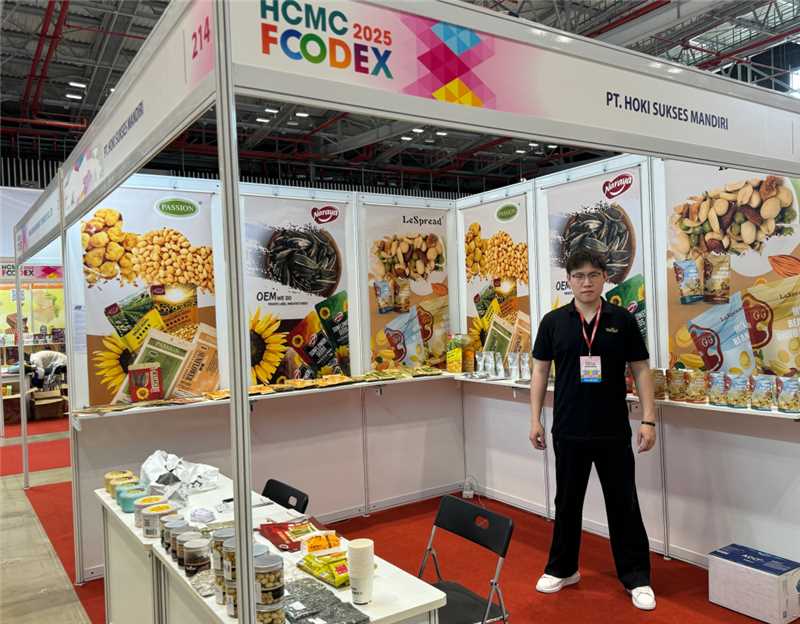
HCMC FOODEX 2025